
Reishi and King Oyster: A Functional Mushroom Approach to Seasonal Allergies in Dogs
Spring should be the happy season. Longer walks, warmer weather, and more time outside with your dog. For many pet parents, though, the season comes with a familiar set of signs: paw licking, ear scratching, watery eyes, and skin that just will not settle down. The most common form of canine seasonal allergies, atopic dermatitis, is estimated to affect as much as 10 to 15% of the dog population. With more dogs living indoors, exposed to environmental allergens, and showing inflammatory skin conditions year after year, pet parents are looking for ways to support their dogs naturally.
Functional mushrooms have entered that conversation, and two species stand out: Reishi (Ganoderma lucidum) and King Oyster (Pleurotus eryngii).
What Seasonal Allergies Look Like in Dogs
Canine atopic dermatitis is an inflammatory skin condition triggered by environmental allergens like pollen, dust mites, and mold. Unlike people, dogs absorb most of these allergens through their skin, not their nose. That is why the most common signs are itchy paws, red bellies, ear infections, and constant scratching, rather than sneezing. The condition can come from a number of factors, involving genetics, skin barrier issues, changes to gut health, immune stress, and sensitivity to allergens.
At the center of the allergic reaction are mast cells. These are immune cells that release histamine and other inflammatory chemicals when they sense an allergen. That histamine release is what drives the itch.

Why Immune Balance Matters More Than Immune Boosting
An allergic response is not a weak immune system. It is an immune system tilted too far in one direction. Allergic conditions are driven by what researchers call a Th2-dominant response, where the body overproduces inflammation and tries to fight back with antibodies against harmless substances. The goal of natural support is balance and not stimulation.
This is where adaptogenic, immune-supporting ingredients like functional mushrooms step in. Rather than pushing the immune system harder, they help the body find a more regulated response.
Reishi: The Immune Protector
Reishi has been studied for decades for its effects on immune function and inflammation. Its active compounds include beta-glucans, triterpenes (especially ganoderic acids), polysaccharides, and sterols.
For allergy-related support specifically, the research is very interesting. Studies found that Reishi could prevent histamine release from mast cells in rats. Specifically, triterpenes from Reishi have also been credited with the mushroom's anti-inflammatory activity when testing mast cell histamine release.
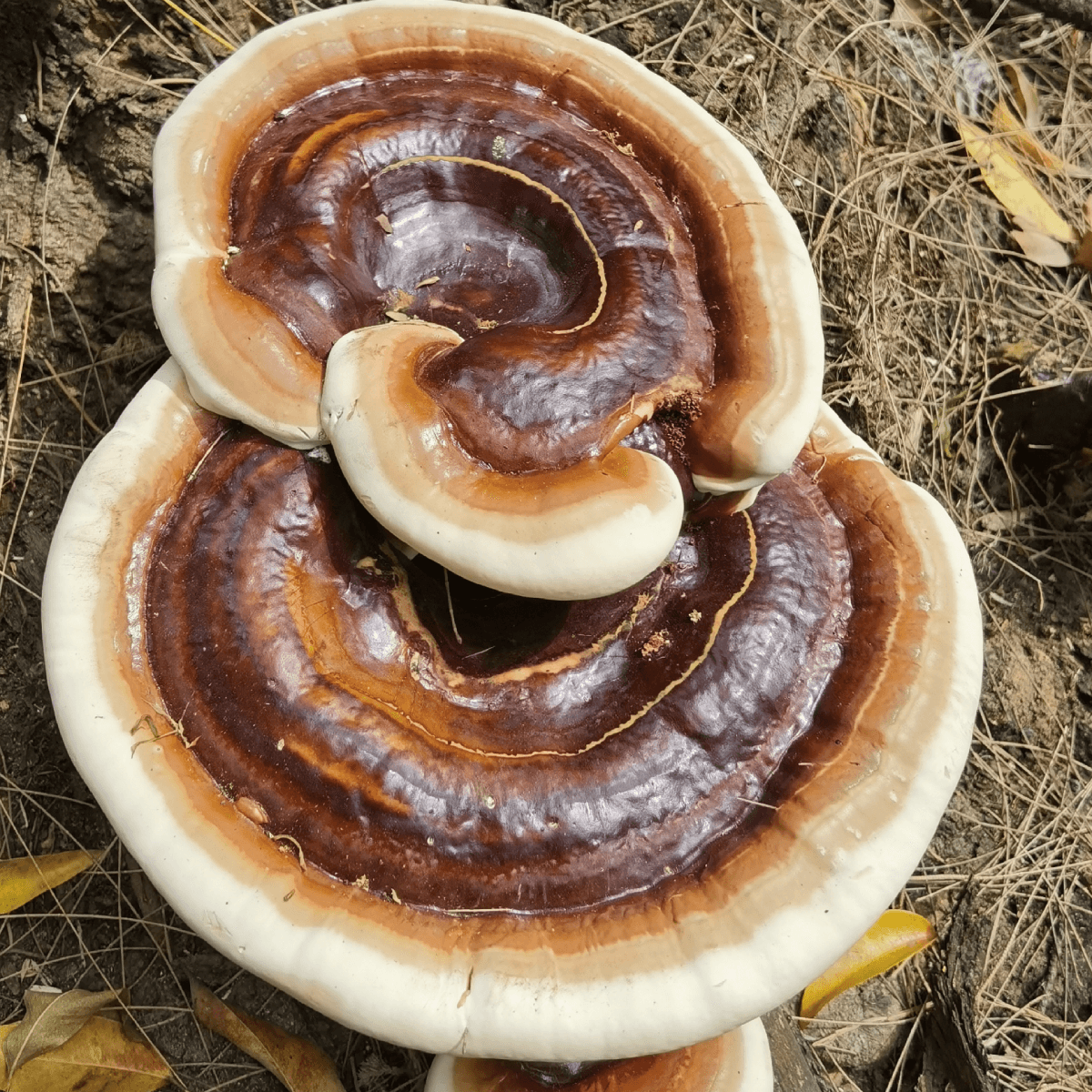
For dogs specifically, a study gave Reishi to 40 adult beagles at 5, 10, or 15 mg/kg body weight per day for 28 days. The 15 mg/kg group showed stronger immune cell activity and higher antibody responses, with no negative effects on digestion, skin, or coat. This was the first study of its kind in dogs and supports Reishi's role as a foundational immune support ingredient.
King Oyster: The Anti-Allergic Specialist
King Oyster is often overlooked in the functional mushroom conversation, but the research on its allergic response activity is some of the most direct in the mushroom world.
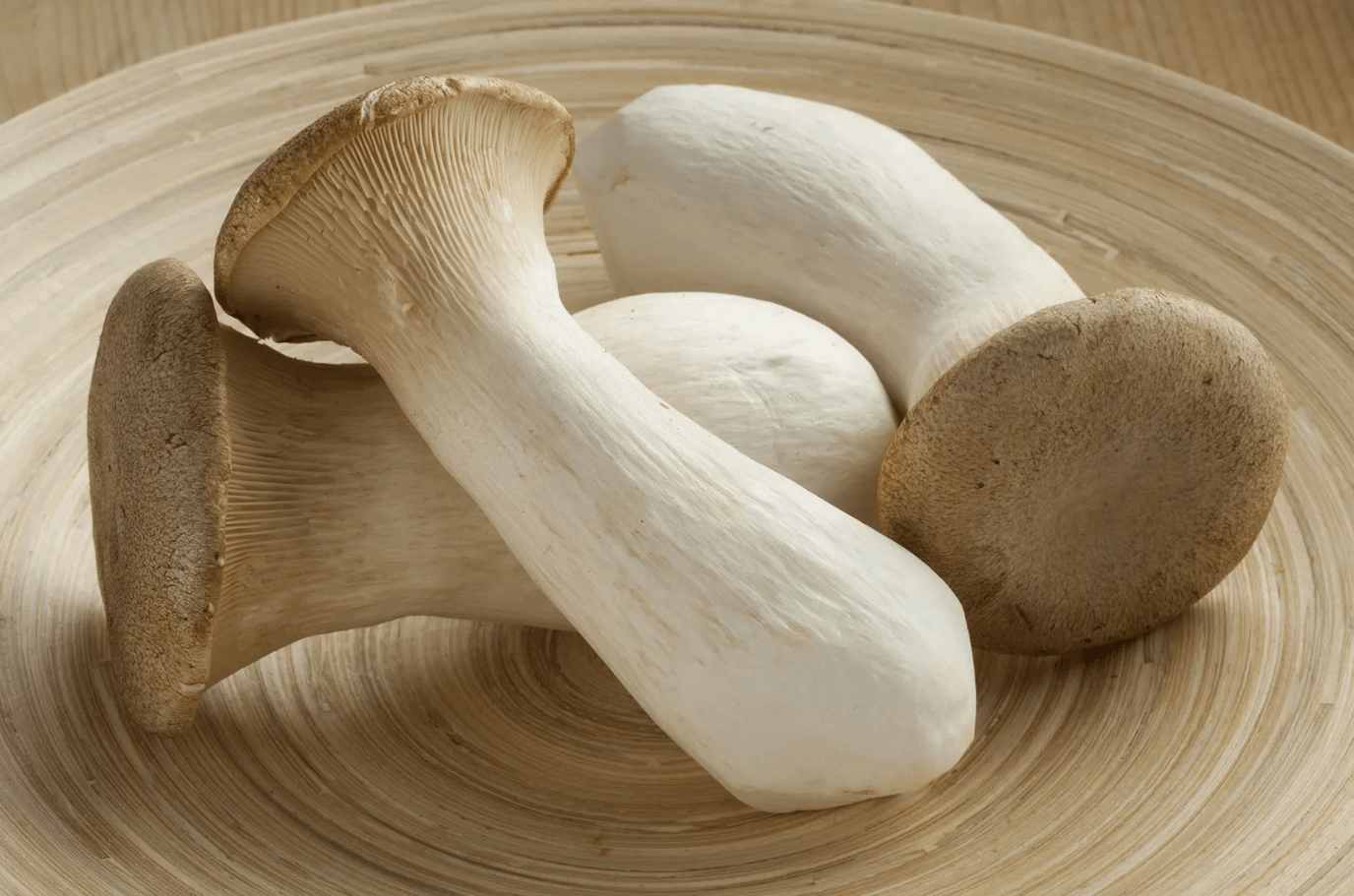
In a 2011 study King Oyster prevented the release of histamine and other allergy markers in antigen-stimulated mast cells. A follow-up study took this further. Applying King Oyster directly to the skin on mice with atopic dermatitis reduced the intensity of the symptoms according to several measurements. These are exactly the inflammatory pathways that drive seasonal allergy symptoms in dogs.
Beyond the allergy work, King Oyster also contains ergothioneine, a powerful antioxidant, along with beta-glucans that support broader immune function. The species is included on the AAFCO Common Food Index for pet food applications.
Better Together: Complementary Action
The case for using both mushrooms together rests on their different functions. Reishi works as powerful general immune support, helping the body regulate its overall inflammatory response. King Oyster contributes more to supporting allergies directly, targeting the body’s reactions that drive allergy symptoms. Together, they cover both immune balance and inflammatory response.
The Gut-Immune Connection
There is one more layer worth understanding. Tissues in the gut represent almost 70% of the entire immune system, and about 80% of plasma cells are in that tissue. That means immune health and gut health are deeply linked. Beta-glucans from both Reishi and King Oyster act as prebiotics, feeding helpful gut bacteria and supporting the microbiome. For allergy-prone dogs, supporting the gut often supports the immune response from the inside out.
For formulators developing a seasonal allergy support product, pairing full-spectrum Reishi with full-spectrum King Oyster offers bioactives that work together. Reishi supports the immune system and inflammation balance through triterpenes and beta-glucans, while King Oyster contributes anti-allergic activity by reducing mast cell mediators and IgE-driven cytokines. Other complementary nutraceutical ingredients worth considering include quercetin (a flavonoid with documented mast cell stabilizing activity), omega-3 fatty acids (EPA and DHA) for skin barrier and inflammation support, nettle leaf (traditionally used for histamine response), and probiotics to reinforce the gut-immune axis.
A Final Note
At Myzel Organics, we believe deeply in the full-spectrum approach because it preserves the complete matrix of bioactives produced through the natural cultivation process. We respect the broader industry's collective commitment to advancing pet wellness through better research, better ingredients, and better products. If your dog is on existing medication or has a chronic condition, talk to your veterinarian before adding any new supplement to their routine.
Disclaimer: Any statements or claims about the possible health benefits conferred by any foods, natural health products, or supplements have not been evaluated by the Canadian Food Inspection Agency (CFIA), Health Canada, or the Food & Drug Administration (FDA) and are not intended to diagnose, treat, prevent or cure any disease.
Connect Like Mycelium



Drop your email address below to get our newsletter.
Created with © systeme.io
Privacy policy | Terms of use | Cookies