
Lion’s Mane for Dogs: Support Canine Cognitive Decline & The \"Senior Slide\"
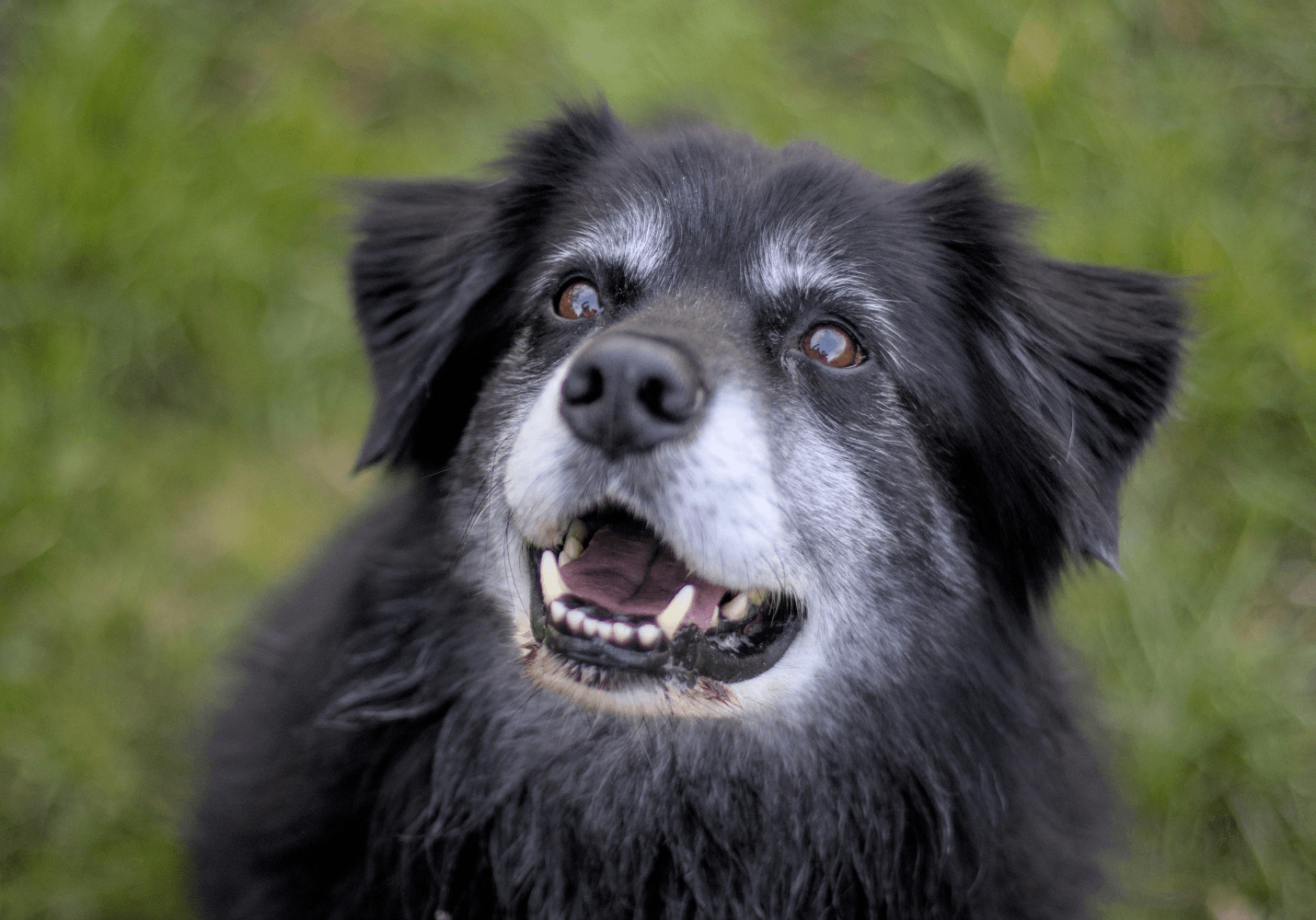
Every dog lover knows the look. You call your dog's name, and for a moment, she just stares past you. She wanders into a corner and forgets how to get out. She sits by the door at 3 a.m., unsure why she's there. This slow fade can feel like you are losing your best friend one small moment at a time.
The medical term for this condition is Canine Cognitive Dysfunction, or CCD. It is the dog version of dementia. Studies suggest CCD affects between 14% and 35% of dogs over the age of eight, and the risk grows with every passing year. The good news is that aging is not the same as giving up. Science now points to the benefits of functional mushrooms for senior dogs to support the aging canine brain. That mushroom is Lion's Mane (Hericium erinaceus), and it is becoming one of the most studied mushrooms for brain and nerve health in dogs (and their owners, too!)
Identifying the Signs: The C.R.A.S.H. Checklist
Before you can help your dog, you need to know what to look for. Vets often use a simple checklist to spot CCD early. We call it C.R.A.S.H.
C – Confusion and Disorientation. Your dog gets stuck in corners, behind furniture, or on the wrong side of a door she has walked through a thousand times.
R – Responsiveness. She shows less interest in her favorite toys, treats, or family greetings. The spark seems dim.
A – Activity Changes. She paces, wanders with no clear goal, or seems more anxious than usual.
S – Sleep-Wake Cycles. She sleeps all day and barks, whines, or paces all night.
H – House-Training. She forgets basic bathroom break habits she has known for years.
If you notice two or more of these signs, it may be time to talk with your vet and think about adding cognitive support to your dog's daily routine.
The Science: How Lion’s Mane Helps Senior Dogs with Memory Issues
The brain keeps itself healthy using special repair proteins. The most important one for memory and nerve health is called Nerve Growth Factor, or NGF. As dogs age, their bodies make less NGF. Without enough of it, brain cells shrink, connections break down, and memory fades.
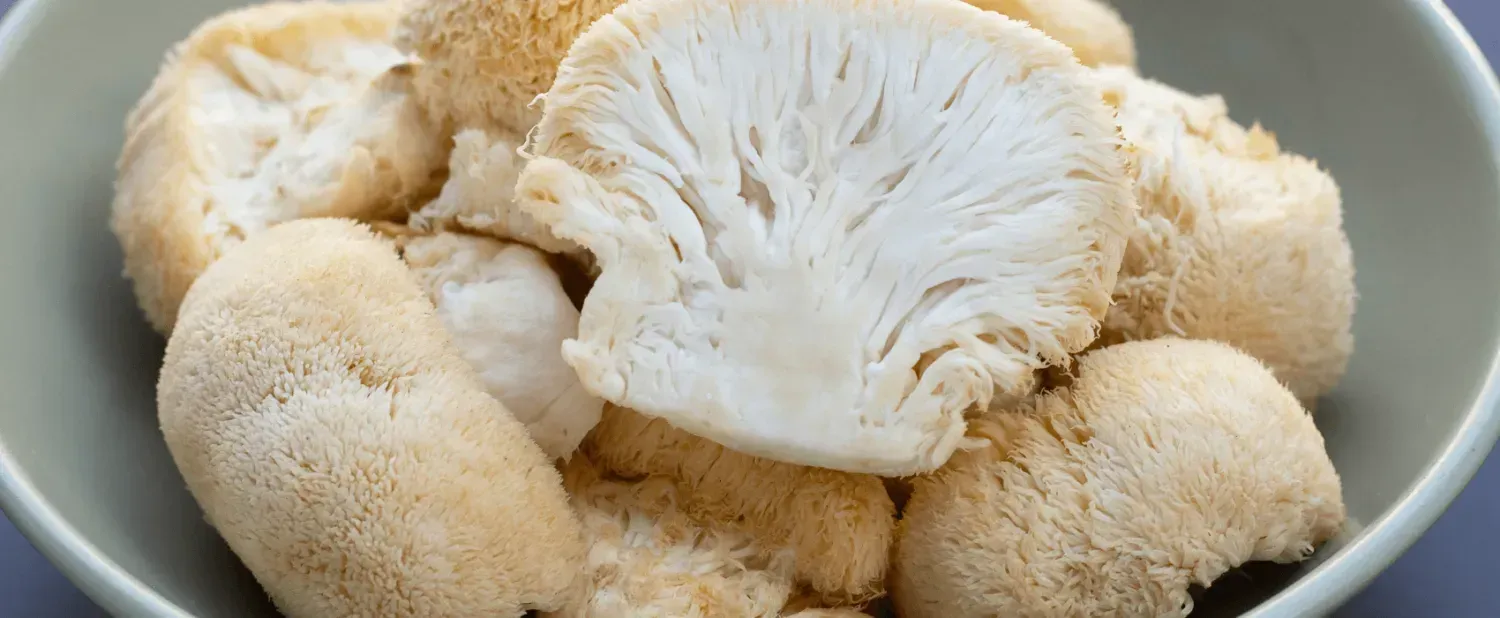
Here is where Lion's Mane comes in. The mushroom contains two unique families of compounds called hericenones and erinacines. Hericenones are mostly found in the fruiting body of the mushroom, and erinacines are mostly found in the mycelium (the underground root-like network). Both groups have been shown to trigger NGF production in one of the foundational studies on Lion's Mane and the brain.
Why does this matter so much? Most nutrients cannot reach the brain. A tight wall of cells called the blood-brain barrier keeps large molecules out. Hericenones and erinacines are small enough and fat-soluble enough to slip through this barrier and reach brain tissue directly. Once inside, they help the brain repair itself through a process called neurogenesis, which is the birth of new nerve cells and connections. For a senior dog, this can mean better memory, clearer awareness, and more loving moments together.
Are Lion's Mane Mushrooms Safe for Dogs?
Lion's Mane has a long history of safe use in both humans and animals, and it is widely considered gentle on the canine system when sourced from a trusted supplier. Lion's Mane is a whole food with a low risk of side effects.
That said, a few simple rules apply. Always start with a small amount and watch your dog for any signs of digestive upset, especially if your dog has a history of food sensitivities. Quality also matters a great deal. Look for mushrooms that are organic, third-party tested, and free from fillers or common allergens. Dogs with autoimmune conditions, dogs on immune-modulating medications, or pregnant and nursing dogs should only start Lion's Mane under the guidance of a veterinarian. When it comes to Lion's Mane for dogs, dosage is completely dependent on weight. Most reliable brands will include a dosage chart on their packaging, and it’s wise to follow that as closely as possible
When in doubt, a quick conversation with your vet is the safest way to add any new supplement to your dog's routine.
The Myzel Advantage: Whole-Matrix Support
At Myzel Organics, we believe there is room for many approaches in the functional mushrooms for dogs industry. Extracts, tinctures, and powders all have value, and each method has its place. Our own approach focuses on the whole-matrix powder, which includes both the mycelium and the fruiting body.
Research shows these two parts of the mushroom carry different active compounds. Hericenones sit mostly in the fruiting body, while erinacines live mostly in the mycelium. Using the whole mushroom means you get the full range of natural compounds working together, the way they do in nature.
Our powders are made through a gentle, low-heat process to help protect delicate brain-supporting compounds. Our mushrooms are also grown on a gluten-free sorghum substrate under clean, food-grade conditions, which matters for dogs with sensitive stomachs or grain allergies.
How to Support Your Senior Dog
Cognitive support is a daily practice, not a quick fix. Here are a few tips for getting the best results:
Be Consistent. Neurological support takes time. Most pet parents start to notice small changes after 30 to 60 days of daily use.
Think About Pairings. Lion's Mane works well on its own, and many pet parents also add Reishi for calming support during the anxious moments that often come with CCD. Omega-3 fatty acids from fish oil add another layer of brain-friendly nutrition.
Use It as a Meal Topper. Lion's Mane powder has a mild, savory umami flavor that many senior dogs enjoy. Sprinkling it on food can also help tempt picky eaters with fading appetites.
As always, talk to your veterinarian before starting any new supplement, especially if your dog is on medication or has other health conditions.
Adding "Life" to the Years
Lion's Mane is both a supplement and a tool for keeping the bond between you and your dog strong, even as the years add up. Science, tradition, and a little bit of hope all come together in this one beautiful mushroom. Don't let the "Senior Slide" take your best friend away.
Cognitive health is one of the fastest-growing segments in the senior pet category. Lion's Mane is the hero ingredient for brain-related claims, and many brands find success blending it with gut supporting mushrooms. This allows for a multi-benefit label that supports both the immune system and the brain, since recent research has found a strong connection between gut health and mental health.
Lion’s Mane for Senior Dogs FAQs
Is Lion's Mane safe for dogs?
Yes, especially when grown on food-grade substrates like sorghum.
How long does Lion's Mane take to work in dogs?
Most pet parents notice changes in 30 to 60 days of consistent use.
Can I give my dog Lion's Mane and Reishi together?
Yes, Reishi provides excellent calming support alongside the cognitive benefits of Lion's Mane.
Connect Like Mycelium



Drop your email address below to get our newsletter.
Created with © systeme.io
Privacy policy | Terms of use | Cookies